

Before You Paint: What Exterior Trim and Siding Repairs Matter Most
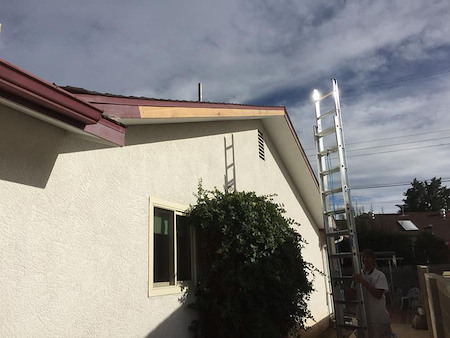
In Albuquerque, NM, sun, wind, and quick temperature swings can wear down a home’s exterior faster than you’d expect. If you want paint that looks fresh and lasts, the smartest move is to handle exterior trim and siding repair first. A sound surface helps paint lock in, resist peeling, and protect your home through our high desert seasons.
Why Repairs Come First In Albuquerque
Our climate is tough on wood and fiber cement. High UV, spring winds that carry grit, and late-summer monsoon bursts push moisture into tiny cracks, then freeze-thaw cycles on winter nights expand them.
Homes in Sandia Heights see intense sun; places closer to the river, like the North Valley, deal with higher humidity and morning dew. Whether you’re in Nob Hill, Westside, or Four Hills, small exterior flaws become big problems when the weather works on them all year.
Top Trim Repairs That Protect Your Paint
Fascia And Soffit Damage You Can’t Ignore
Fascia boards take the brunt of our sun and wind, and soffits are key to attic ventilation. If they’re soft, wavy, or pulling fasteners, fresh paint won’t stop hidden moisture from spreading.
Replace compromised boards instead of painting over soft wood; paint can’t restore structural strength. Correcting drip edges and ensuring tight joints also reduces the chance of wind-driven rain sneaking behind the trim during summer storms.
Window And Door Trim With Hidden Rot
Trim around windows and doors often reveals the first signs of trouble. Hairline gaps at mitered corners or failing caulk let water track behind the casing, which leads to swelling and flaking paint.
Pros look for cupping, dark staining at nail heads, and spongy spots near sills. Repairing these areas before painting protects the most vulnerable parts of your exterior and helps keep conditioned air inside.
Corner Boards And Frieze Boards That Split
Corner boards catch crosswinds on the West Mesa and often split along the grain. Frieze boards under eaves bake in the sun and can develop end checking.
- Open end grain where boards meet rooflines
- Loose fasteners that no longer hold flush
- Gaps wider than a credit card at vertical seams
- Old, brittle caulk that pulls away when pressed
Targeted repairs at these stress points give your new coating a stable edge and reduce future cracking where two materials meet.
Siding Issues That Must Be Fixed Before Painting
Loose Or Gapped Lap Siding
Wind pressure and thermal movement can open small gaps along lap siding. Even a slight lift at a butt joint lets dust and water collect, which pushes the paint film off from behind.
Re-securing boards, replacing damaged laps, and restoring proper overlap ensure your new paint won’t be undermined by hidden debris or moisture.
Cracked Fiber Cement Seams And Failed Caulk
Fiber cement holds up well to Albuquerque’s sun, but joints and trim transitions still need attention. Caulk that’s past its life cycle breaks away, and seams can show hairline cracks that telegraph through paint.
Seal active gaps before painting to block water, pests, and dust from getting behind the cladding. Correct joint prep also prevents shadow lines from reappearing after the first season.
Many homes mix stucco with wood or fiber cement trim. Look closely where stucco meets window and door trim or at band boards; movement here causes hairline cracking.
- Spider-web cracks near trim edges
- Small flakes or chalking on sun-exposed walls
- Dark streaks after monsoon rains
Stabilizing those edges and renewing the sealant line helps paint and elastomeric coatings do their job without peeling away from brittle stucco edges.
Materials We See Most In Albuquerque Homes
Across neighborhoods from Uptown to Corrales, we commonly see wood trim, fiber cement siding, and occasional engineered wood products. Each behaves differently in our high-altitude sun.
Wood swells and shrinks more, so end-grain protection and solid replacements matter. Fiber cement handles UV well but depends on healthy joints. Engineered products need careful fastener placement to avoid edge blowout, and all benefit from firm substrates and clean, dry surfaces before paint.
How Professional Prep Extends Paint Life
The difference between a 1-year touch-up and a long-lasting finish is often what you don’t see. Professional crews correct substrate problems, tighten fasteners, replace compromised boards, and rebuild crisp profiles so the coating can seal a stable envelope.
If you want a full-service team that understands prep in our climate, talk with Albuquerque painters who pair repair and finishing under one roof. The result is a smooth, uniform surface that cures evenly and resists early failure from UV and wind-driven dust.
For more context on prep priorities and planning, you can skim practical painter tips to see how scheduling and materials affect results around the Metro.
Timing Your Exterior Repairs Around Albuquerque Weather
Spring can be windy, which lifts dust into open joints and makes coatings cure unevenly. Early fall is often the sweet spot, with cooler mornings and steady afternoons that help repairs set up and paint cure consistently.
Winter is still workable on many days, but overnight freezes in the foothills can slow curing. Summer projects move smoothly when prep happens in the morning shade and walls get out of direct mid-day sun. A seasoned crew sequences repairs by elevation and exposure so each side of your house gets ideal conditions.
What Matters Most Before You Pick A Paint Color
Trim and siding repairs aren’t just a checklist. They’re the foundation that lets your color and sheen look uniform across walls that face very different conditions from the Sandias to the Rio Grande.
When you’re comparing proposals, focus on details that directly affect durability: board replacement where wood is soft, reset or new fasteners where laps lift, joint stabilization at dissimilar materials, and fresh, flexible sealant at all transitions. That’s the work that protects your color choice and helps your home shrug off daily sun and seasonal storms.
How Repairs And Paint Work Together
Repairs lock down the shape of your exterior. Paint then provides the protective skin that sheds water and UV. Without firm edges, tight seams, and stable trim, even premium coatings can fail early in Albuquerque’s intense conditions.
If you want one team to handle the full process, choose pros who can execute both the corrections and the finish. Coordinating repairs with priming and topcoats reduces gaps between steps and helps everything cure in the right order for long-term performance.
Ready For An Exterior Refresh? Here’s The Smart Next Step
If you’ve spotted peeling around sills, gaps in corner boards, or hairline cracking where stucco meets trim, start by scheduling a quick assessment. A trained eye can outline the repairs that will make your new finish look sharper and last longer.
You can learn more about the process and what’s included in professional exterior trim and siding repair, so you know how the prep supports the final paint system. When those repairs are complete, color selection and finish coats become the easy part.
Ready to protect your home and love the way it looks? Call Cutting Edge Painting, Inc. at 505-855-0199 to get your project on the schedule.